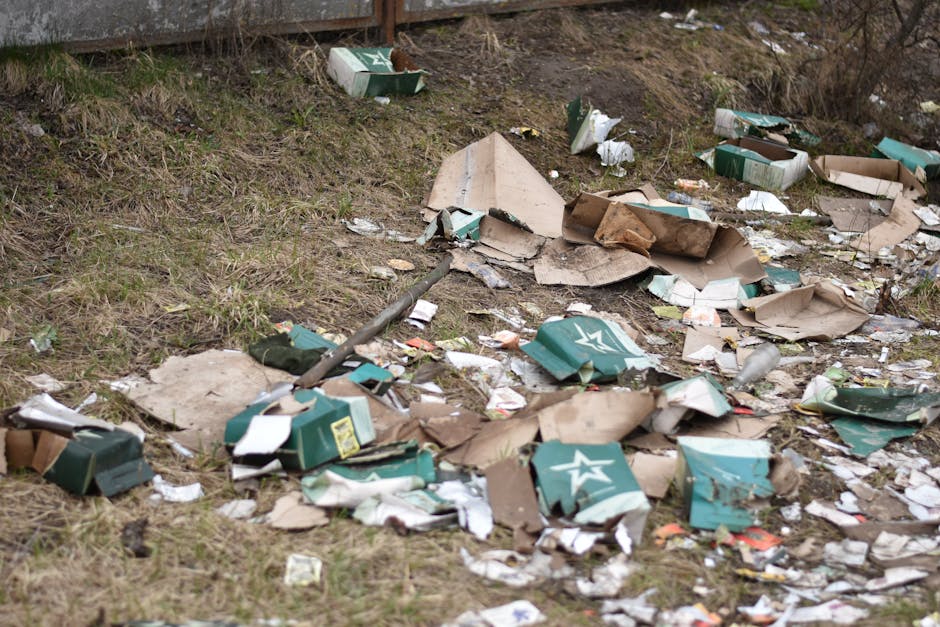
Cricklewood Broadway flat rubbish clearance tips for Brent Cross
If you are tackling a flat clearance near Cricklewood Broadway and Brent Cross, the job can look simple at first and then suddenly become a bit of a faff. Tight stairwells, shared entrances, awkward furniture, and the usual pile-up of bags, broken items, and odd bits from cupboards all make the process more complicated than people expect. These Cricklewood Broadway flat rubbish clearance tips for Brent Cross are designed to help you clear space safely, stay organised, and avoid the common mistakes that waste time and money.
Whether you are moving out, helping a tenant, preparing a flat for sale, or just trying to reclaim your hallway from too much "temporary" storage, the smart approach is the same: sort carefully, protect the building, and choose the right disposal route for each item. Below, you will find a practical guide that covers planning, compliance, comparisons, expert tips, and a realistic checklist you can actually use.
Why Cricklewood Broadway flat rubbish clearance tips for Brent Cross Matters
Flat clearance in this part of North West London is rarely just about "getting rid of rubbish". It is about managing access, time, neighbours, and responsibility. On Cricklewood Broadway and around Brent Cross, many flats sit in buildings where shared hallways, lift access, parking restrictions, and narrow stairs can turn a simple clear-out into a bigger operation than expected. If you plan badly, one bulky item can slow the whole job down. One missed bag can lead to a second trip. And one careless move can scuff a wall, damage a bannister, or annoy a neighbour who was enjoying a quiet morning.
That is why a proper plan matters. It keeps the process tidy and predictable. It also helps you separate reusable items from true waste, which is good for your budget and, frankly, much better for the planet. If you are looking at mixed loads of furniture, household waste, old appliances, or builder's leftovers, a broader waste removal approach may be more appropriate than simply dragging everything to the kerb and hoping for the best.
There is also a trust side to it. Landlords, agents, and managing companies usually prefer work that is organised, insured, and respectful of the property. A neat clearance says a lot. A chaotic one says even more, and not in a good way.
How Cricklewood Broadway flat rubbish clearance tips for Brent Cross Works
The process usually starts with a walkthrough of the flat. That sounds obvious, but many people skip it and immediately regret it. You want to know what is being removed, what is staying, what needs special handling, and whether there are access issues such as a tight landing, no lift, or a parking spot too far from the entrance. In a real-life job, the difference between a smooth clearance and a stressful one often comes down to fifteen minutes of preparation.
A sensible clearance normally follows this pattern:
- Identify all rooms and storage areas that need clearing.
- Sort items into keep, donate, recycle, and dispose.
- Separate anything fragile, confidential, heavy, or potentially hazardous.
- Measure bulky items before moving them, especially wardrobes, beds, and large sofas.
- Check whether items need specialist disposal, such as fridges, mattresses, or electrical appliances.
- Protect flooring and corners before anything is carried out.
- Load the vehicle in a sensible order, with heavier items secured first.
That final step sounds mundane, but it matters. If you load a van badly, items shift around, break, and create delays. Nobody wants to hear the sound of a chair leg thudding into a side panel at 8:00 in the morning. Not ideal.
If your flat clearance includes larger household pieces, you may also want to consider dedicated services such as furniture clearance or mattress and sofa disposal rather than treating every item as general waste.
Key Benefits and Practical Advantages
Good flat rubbish clearance is not just about getting a place emptied. Done properly, it saves time, reduces stress, and gives you a much cleaner handover. That is especially useful when a moving deadline is looming or a tenancy needs to be turned around quickly.
- Less stress on the day: When items are pre-sorted, the job feels manageable instead of chaotic.
- Better use of space: You can work room by room without tripping over piles.
- Lower risk of damage: Careful planning helps protect walls, doors, and shared hallways.
- Improved recycling potential: Reusable and recyclable items are easier to separate when sorted early.
- Cleaner final result: A proper sweep-up at the end leaves the flat ready for photos, inspection, or decorating.
There is a practical financial angle too. The more clearly you define the job, the easier it is to avoid paying for unnecessary labour or multiple visits. For mixed items, it may help to review pricing and quotes before you book so you know what affects cost. Weight, access, item type, and volume can all change the picture.
Another advantage is emotional, which people sometimes forget. Clearing out a flat after a move, a bereavement, or a long period of clutter can feel surprisingly heavy. When the work is structured, it becomes less overwhelming. One shelf at a time. One room at a time. That pace helps.
Who This Is For and When It Makes Sense
This kind of clearance advice is useful for a wide range of people. You do not need to be a property manager or a seasoned landlord to benefit from it.
- Tenants moving out: Especially if the flat has built up years of unused items.
- Landlords and letting agents: Useful for end-of-tenancy turnarounds and re-marketing.
- Homeowners downsizing: Common when moving into smaller accommodation near Brent Cross.
- Family members sorting a relative's flat: Often requires a bit more care and patience.
- People clearing after renovations: Mixed waste and old furniture can accumulate quickly.
- Anyone short on time or transport: Let's face it, hiring a van is not always the easiest weekend plan.
It makes sense when the job is bigger than a normal bin collection, or when the items are too bulky, too many, or too awkward to move safely by yourself. If the clearance includes a mix of household clutter and heavy pieces, a service built around flat clearance may be the most practical route.
And if the work spreads beyond one room into cupboards, loft storage, or a garage-style overflow zone, services such as home clearance, loft clearance, or garage clearance may also be worth considering.
Step-by-Step Guidance
If you want to keep the job calm and controlled, follow a straightforward sequence. It sounds almost too simple, but simple tends to work.
1. Start with a room-by-room sort
Walk through the flat and decide what is staying. Anything without a clear purpose should be questioned. If you have not used it in a year and you are not sentimentally attached to it, that is usually a clue.
2. Separate special items early
Put aside anything that needs extra care. That includes electrical appliances, confidential paperwork, broken glass, old paint tins, and anything that could be considered hazardous. A fridge, for example, should not be dumped in with general rubbish. You will usually need a specialist route such as fridge and appliance removal.
3. Break down what you safely can
Unscrew bed frames, remove shelves, and flatten cardboard. Smaller loads are easier to carry and easier to sort. Just do not get too enthusiastic with the screwdriver and strip the fittings. That happens more often than people admit.
4. Protect the route out
Use blankets, cardboard, or floor protection where needed. In older blocks and shared buildings, the final walk to the van is often the part where most damage happens.
5. Clear the largest items first
Bulky furniture should usually come out before smaller bags. That gives you space to move and makes the rest of the loading easier. If the flat contains a sofa, check whether a dedicated mattress and sofa disposal service is the cleaner option.
6. Finish with a tidy sweep-through
Once the major items are gone, do a final check of cupboards, behind doors, under beds, and on balconies. People are always surprised by what gets left behind. One odd charger. A shoe. A mystery key. The little stuff can be more annoying than the big stuff.
Expert Tips for Better Results
Here are the details that make a clearance smoother in real life, not just in theory.
- Book around access, not just around your calendar. If parking is limited, choose a time when loading is easier.
- Measure bulky items before you move them. A wardrobe that looks manageable in a bedroom can become impossible in a stairwell.
- Keep a donation pile separate. Reusable items should not get mixed in with general waste.
- Use clear bags for mixed light rubbish. It makes sorting and lifting quicker.
- Photograph valuable or sensitive items before disposal. Helpful for records, especially in managed properties.
- Ask about recycling routes early. If sustainability matters to you, it should be part of the plan, not an afterthought.
If you want to reduce waste and choose a more responsible approach, look at the company's recycling and sustainability page before you book. It is a good sign when recycling is built into the service rather than mentioned only at the end.
A small but useful tip: put bin liners, labels, and a marker pen in one place before you start. It saves a lot of little pauses. And little pauses, when multiplied, are what turn a two-hour job into a whole day.
Common Mistakes to Avoid
Most clearance problems come from rushing. People underestimate the volume of waste, forget access issues, or assume everything can be disposed of in the same way. It is rarely that simple.
- Not checking access first: A blocked entrance or no parking can derail the plan quickly.
- Mixing hazardous and general waste: This can create compliance issues and safety risks.
- Leaving heavy lifting to the last minute: Back injuries and wall damage are common when people hurry.
- Ignoring building rules: Shared properties often have practical limits on noise, parking, and use of communal areas.
- Forgetting to empty cupboards and storage: The flat looks done, then you find three more bags in the utility cupboard. Typical.
- Choosing the wrong service type: Furniture, office waste, builders rubble, and household clutter all need different handling.
If the clearance includes mixed trade waste or renovation debris, it may be better to use builders waste clearance rather than forcing it into a general flat clearance job. Likewise, if you are dealing with desks, files, or office equipment, an office clearance route may fit better.
The main thing is not to pretend every pile is the same. It never is.
Tools, Resources and Recommendations
You do not need a van full of specialist gear, but a few simple tools make a big difference.
- Heavy-duty refuse sacks
- Label stickers or masking tape
- Marker pen
- Gloves with a good grip
- Blankets or floor covers
- Furniture sliders for heavier pieces
- Screwdriver or Allen key set for dismantling flat-pack items
- Cleaning cloths and a dustpan for the final sweep
For payment confidence and peace of mind, it helps to check payment and security so you understand how transactions are handled. If you prefer to arrange everything digitally, you can also use book online when it suits you.
For general service background, some readers like to review about us before they make a decision. It is a sensible step, especially if you want to know the values and working style behind the service. And if you need a straightforward starting point, pricing and quotes is the page to check first.
Law, Compliance, Standards and Best Practice
Flat rubbish clearance in the UK is not just a practical task; it also sits within a wider responsibility to handle waste properly and safely. You do not need to become a compliance expert, but you should understand the basics.
General best practice means waste should be sorted responsibly, transported safely, and passed to the correct treatment or disposal route. Certain items need special care. Electrical appliances, fridges, some chemicals, sharp objects, and confidential documents should never just be bundled into a general bag because that is easy. Easy is not always safe.
For confidential paperwork, especially from a landlord, home office, or house move, a dedicated confidential shredding approach can be more appropriate than ordinary disposal. That matters if you are clearing bank letters, tenancy files, or old business records.
Health and safety also matters during loading, lifting, and carrying. Good practice includes proper manual handling, sensible load limits, and care around stairs, glass, and uneven surfaces. If you want reassurance about that side of things, review health and safety policy and insurance and safety information before booking. It is not glamorous, but it is exactly the sort of detail that separates a professional job from a risky one.
If you are unsure whether an item is classed as hazardous or needs special disposal, treat it cautiously and ask first. That is the grown-up move, basically.
Options, Methods and Comparison
Choosing the right clearance method depends on time, volume, item type, access, and how much sorting you want to do yourself. Here is a practical comparison.
| Method | Best for | Strengths | Limitations |
|---|---|---|---|
| DIY trips to the tip | Small loads and low-volume items | Flexible if you have transport | Time-consuming, physical effort, multiple trips |
| Skip hire | Mixed waste from a clear site with good access | Convenient for ongoing disposal | Space needed, permit considerations, load restrictions |
| Full flat clearance service | Bulky furniture, mixed rubbish, time-sensitive jobs | Fast, organised, less lifting for you | May not suit tiny jobs |
| Specialist item disposal | Appliances, sofas, mattresses, hazardous items | Safer handling of specific waste streams | Usually needs separate planning |
If you are deciding between a skip and a clearance team, take a look at what can go in a skip. That page helps clarify what works well in a skip and what is better handled through a direct collection. It is a very practical distinction, and one that saves arguments later.
In a compact flat near Brent Cross, direct collection often wins because access is tighter and the pile is mixed. A skip can be great in the right setting, but if your waste is spread across several rooms and you cannot spare the outside space, a different method is usually simpler.
Case Study or Real-World Example
Picture a typical one-bedroom flat off Cricklewood Broadway. The occupier has moved out, but the place still contains a broken dining chair, an old mattress, two wardrobes, a box of kitchen bits, three bags of general rubbish, and a fridge that no one wants to touch. On paper, it sounds like a half-day job. In reality, the fridge needs separate handling, the mattress needs specific disposal, and the wardrobes need dismantling before they will fit down the stairs.
What usually happens in a well-run clearance is this: the access route is checked first, the fragile items are taken out of the way, the bulky furniture is dismantled, and the load is split sensibly. The fridge is handled as an appliance item, the sofa or mattress is identified separately, and the remaining mixed waste is bagged and moved in stages. It is not dramatic. It is just organised.
That sort of structure saves time and reduces stress. You also avoid the classic moment where everyone stands in the hallway wondering which item should go next. The answer is usually: the biggest awkward one, before you become too tired to care.
For a clearer service fit, the homeowner in that example might combine mattress and sofa disposal with fridge and appliance removal rather than trying to treat everything as one generic pile.
Practical Checklist
Use this checklist before the team arrives or before you start lifting anything yourself.
- Walk through every room, cupboard, and storage space.
- Decide what stays, what goes, and what might be donated.
- Separate electricals, heavy items, and anything fragile.
- Identify appliances that need special disposal.
- Measure bulky items and check stair or lift access.
- Confirm parking or loading arrangements.
- Protect floors, corners, and door frames.
- Prepare gloves, bags, labels, and tools.
- Keep confidential papers aside for shredding.
- Do a final sweep for keys, remotes, chargers, and small valuables.
Quick expert summary: the best flat clearances are not rushed, not guessed, and not mixed blindly. Sort first, lift safely, and match each item to the right disposal route. Simple enough, but it really does prevent most headaches.
If you are comparing wider clearance needs, you may also find house clearance useful if the job extends beyond one flat, or business waste removal if the items come from a commercial setting rather than a home.
Conclusion
Cricklewood Broadway flat rubbish clearance tips for Brent Cross come down to one simple idea: prepare properly and the whole job becomes easier. When you sort items carefully, plan access, separate specialist waste, and choose the right service for the load, you save time and reduce stress. You also protect the building and make it far easier to leave the flat in a clean, presentable state.
To be fair, that is what most people want at the end of the day. Not a perfect process. Just a smooth one. One that gets the job done without a pile of drama in the hallway.
Get a free quote today and see how much you can save.
And if you are still weighing things up, take a moment, breathe, and remember this: a cluttered flat is just a job with a beginning. Once you start, it usually gets lighter much faster than you think.
Frequently Asked Questions
What is the best way to start a flat rubbish clearance in Cricklewood Broadway?
Start with a full walkthrough and decide what stays, what goes, and what needs special handling. Sorting first makes everything else easier.
Can I mix furniture, bags of rubbish, and appliances in the same clearance?
Sometimes a service can take mixed loads, but appliances, mattresses, and similar items may need separate handling. It is best to identify those early.
Do I need to dismantle furniture before a flat clearance?
Not always, but it often helps. Beds, wardrobes, and large tables are usually easier to move if they are broken down first.
What items usually need specialist disposal?
Fridges, some electrical appliances, mattresses, sofas, confidential documents, and anything hazardous or sharp often need separate care.
Is a skip better than a flat clearance service?
It depends on access, volume, and item type. A skip can suit ongoing work, while a flat clearance service is often easier for bulky mixed waste in a tight property.
How can I reduce the cost of rubbish clearance?
Sort items in advance, separate reusable goods, and make access as easy as possible. Clear instructions and a tidy load usually help avoid extra time.
What should I do with confidential paperwork from a flat?
Keep it separate and use a proper shredding route rather than throwing it in with normal rubbish. That is the safer and cleaner option.
Can rubbish clearance be done if the flat is on an upper floor?
Yes, but upper-floor access can affect timing and effort. Lifts, stair width, and parking all matter, so the job should be planned carefully.
What if I am clearing a flat after a tenant leaves everything behind?
That is common enough. Take photos for records, sort items carefully, and use a service that can handle mixed domestic waste and furniture.
How long does a typical flat clearance take?
It varies a lot based on volume, access, and how much sorting is needed. A small flat can be straightforward, while a heavily cluttered one may take much longer.
Are there safety risks with DIY clearance?
Yes. Heavy lifting, sharp edges, broken glass, and awkward stairwells can all cause problems. If the job feels bigger than expected, it is usually wiser to get help.
What should I check before booking a clearance?
Check what items are included, how access is handled, whether special waste can be taken, and how pricing works. It is also sensible to review safety and payment details before confirming.